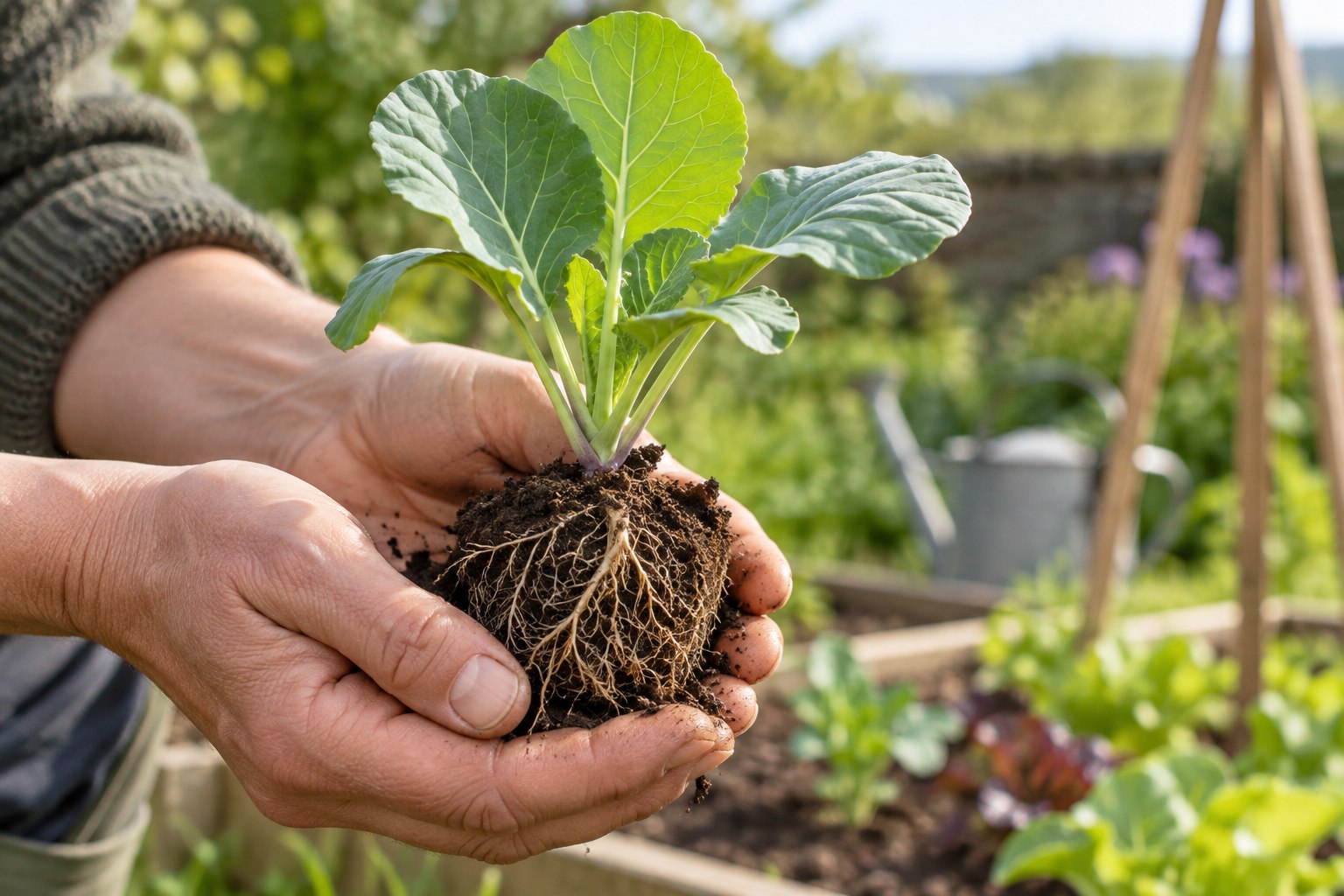
Roots & growth
Seaweed-based biostimulants are used to support root development and vegetative growth, from establishing crops to caring for vegetables, flowers and lawns.
Seaweed fertiliser for British farms, kitchen gardens and allotments. From wide-open fields to the veg patch at home, find your way to grow.
Explore seaweed fertiliser Talk to our sales team ↗
For generations, growers have brought seaweed from the coast to the land. Today, seaweed-based fertilisers and plant feeds offer another way to think about caring for crops, vegetables, flowers and garden plants.
From a small vegetable patch to a commercial growing programme, the right choice starts with your plants, your soil and a clear understanding of what is in the product. We make that conversation feel a little more down to earth.
Get to know seaweed plant care ↗Liquid seaweed brings seaweed-derived compounds into a convenient plant-care concentrate. The focus is simple: support root development, healthy growth and plant resilience as part of a balanced growing programme.
Seaweed-based biostimulants are used to support root development and vegetative growth, from establishing crops to caring for vegetables, flowers and lawns.

The supplied product information focuses on helping plants cope with environmental stresses such as dry conditions, cold and transplanting. Outcomes depend on the formulation, crop and growing conditions.
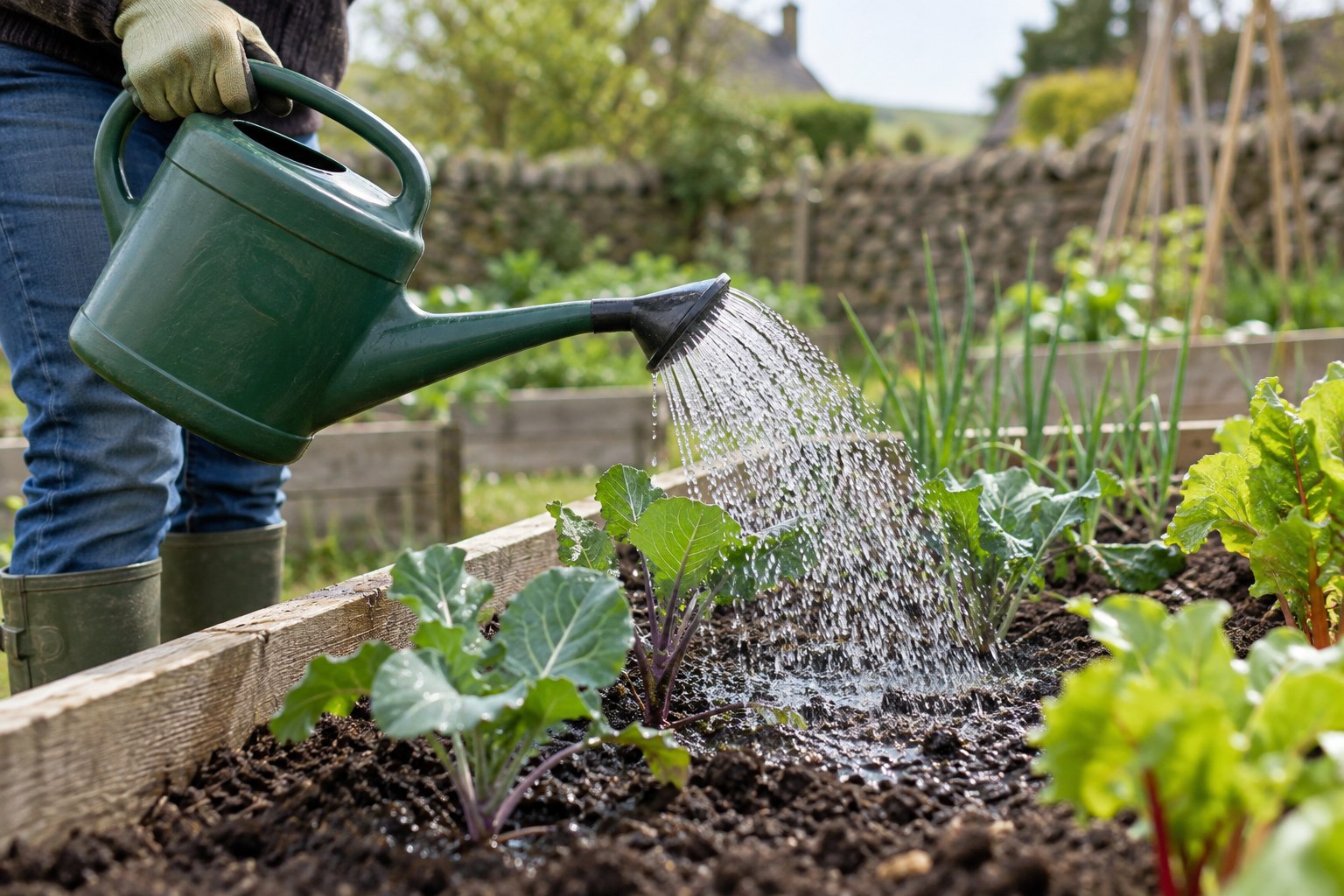
Seaweed products can complement soil-care and crop nutrition programmes. Foliar spraying and fertigation are options for suitably labelled formulations; always check the product instructions and compatibility.
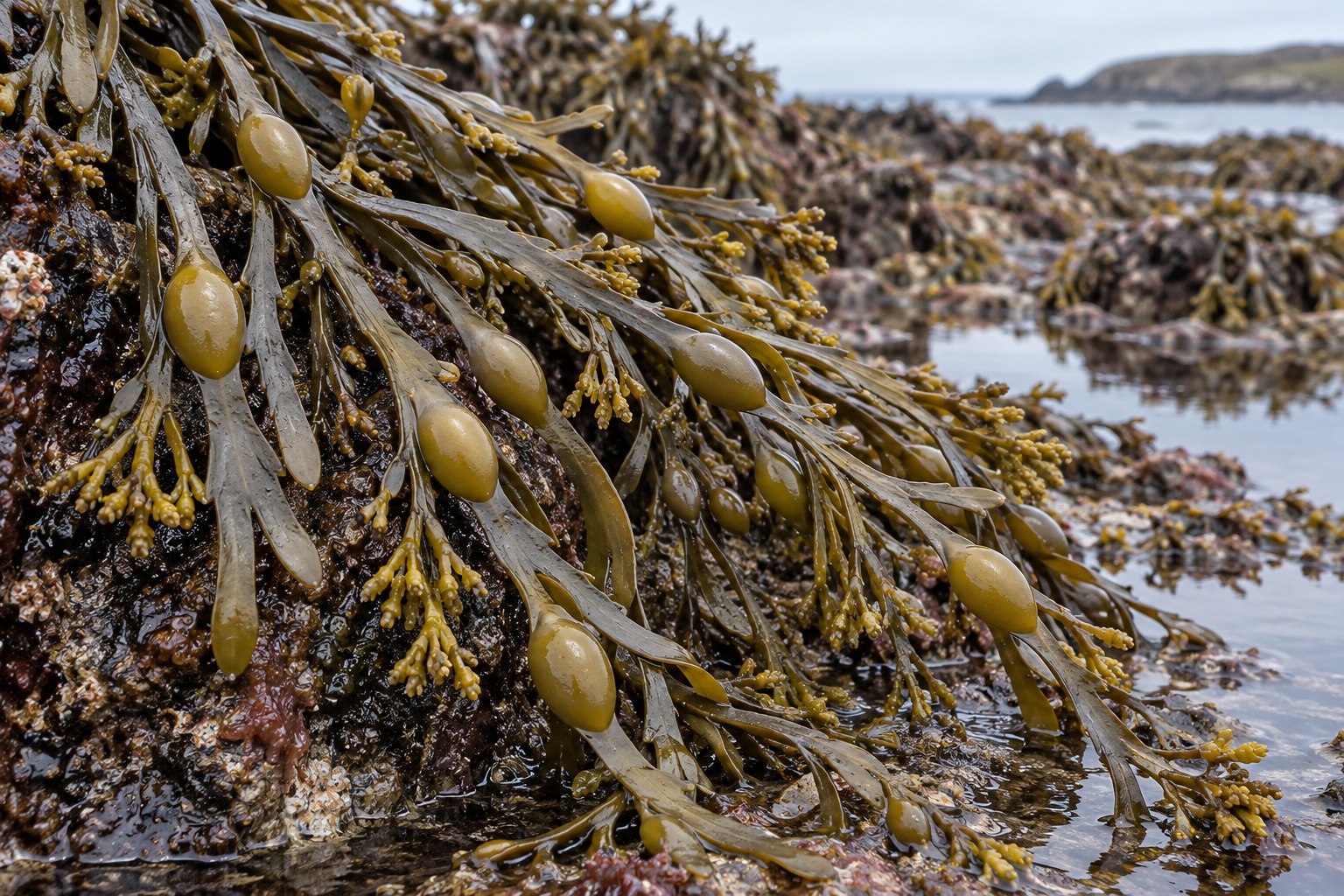
Ascophyllum nodosum, also known as knotted wrack or egg wrack, is a brown seaweed found on rocky North Atlantic shores. It is a wrack rather than a true kelp and is used to make seaweed meals and liquid extracts. Look for the seaweed species, processing details and nutrient analysis when choosing a product.
Choose application rates from the label. Seaweed biostimulants do not automatically replace a complete fertiliser programme; organic suitability depends on the individual product and certification.
Explore seaweed fertiliser for the way you grow.

Choosing seaweed fertiliser for agriculture starts with your crop, application equipment and existing nutrient plan. Check the analysis, application guidance and suitability for your growing system before introducing a product.
Discuss farm & bulk supply ↗
From patio pots to productive vegetable beds, make seaweed plant feed part of a thoughtful garden routine. Choose a product suited to your plants and follow its label for dilution, timing and application.
Ask about garden feed ↗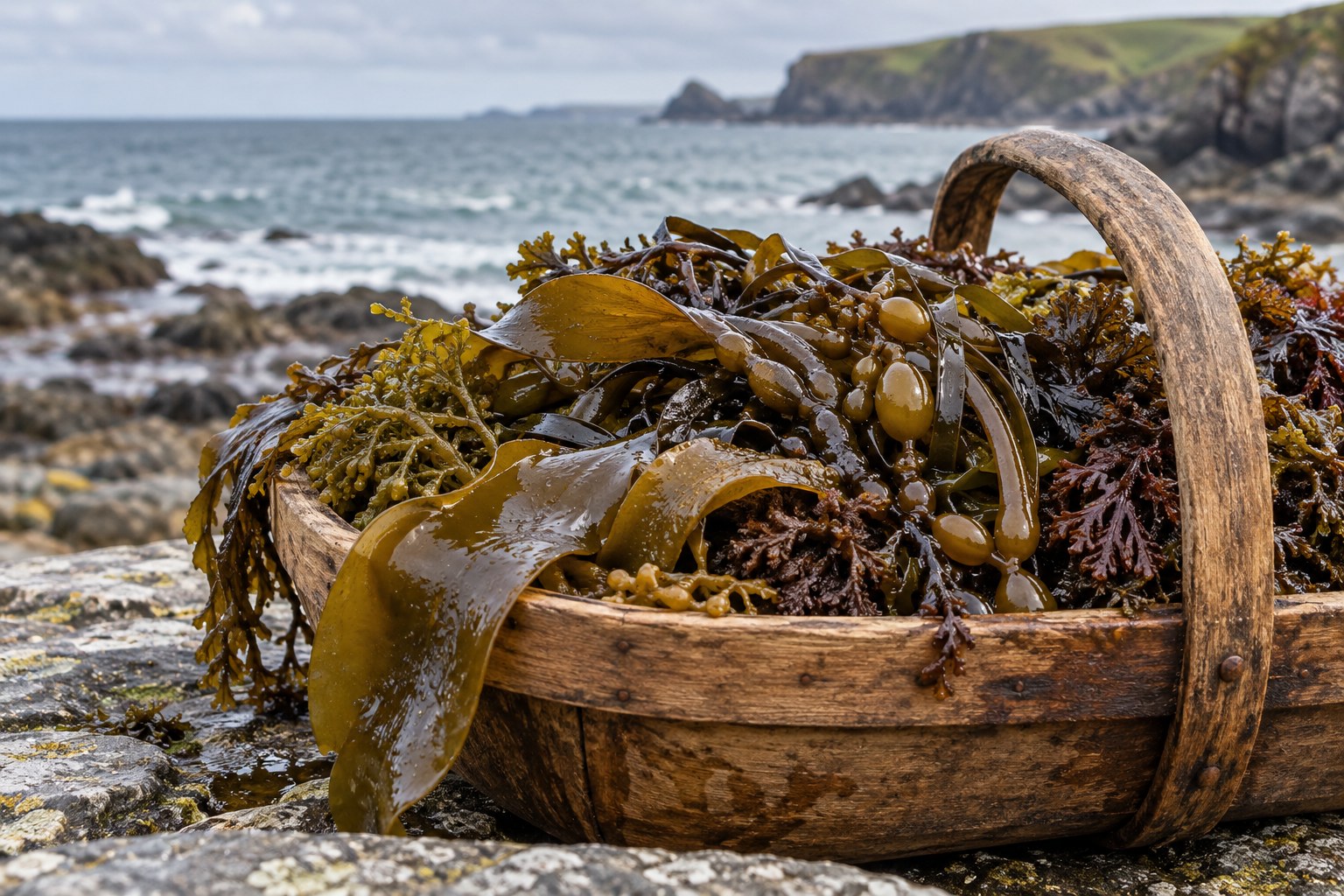 THE COAST, CLOSE UP
There’s something familiar about growing in Britain: a watchful eye on the weather, a good pair of wellies and the pleasure of seeing the first shoots appear.
British Seaweed Feed brings a coastal perspective to that everyday care. Whether you’re planning the season across acres or tending a few raised beds, start with your soil, your plants and the right product guidance.
A practical guide to getting started ↗Seaweed products vary in concentration and formulation. Always use the instructions supplied with your chosen product.
Identify your crop or plants and consider your soil, growing conditions and current feeding programme.
Check the intended use, dilution and application method. Never assume that two seaweed products use the same rate.
Follow the recommended timing, avoid over-application and keep a record of your routine. Check compatibility before mixing products.
Seaweed fertiliser is a broad term for plant-care products made using seaweed. Formulations differ: some supply nutrients, while others are sold as extracts or biostimulants. Read the product analysis to understand exactly what you are applying.
Choose a product labelled for your plants and intended use. Follow its instructions for edible crops, dilution, timing and application method.
Not automatically. Nutrient content varies, and a seaweed extract may not provide a complete feed. Use the product analysis alongside your plants' needs and, for farms, your soil test and nutrient plan.
There is no universal application rate. Concentrations vary, so always follow the specific product label rather than a general online dilution guide.
No. Seaweed-derived ingredients do not automatically mean a finished product is certified for organic production. Check the certification of the exact product and your relevant scheme's requirements.
For product advice and sales enquiries, email sales@britishseaweedfeed.co.uk.